Professional HVAC Solutions: Keep Your Home Comfortable Throughout the Year
Specialized HVAC options serve as essential in keeping year-round comfort in residences. Comprehending the details of heating, ventilation, and air conditioning setups is important for property owners. Detecting common problems can avert discomfort and inefficiency. Consistent maintenance is frequently overlooked but essential. As technological advances evolves, emerging options for monitoring and control surface. What elements should be considered when selecting the suitable system for your home? The results may astound you.
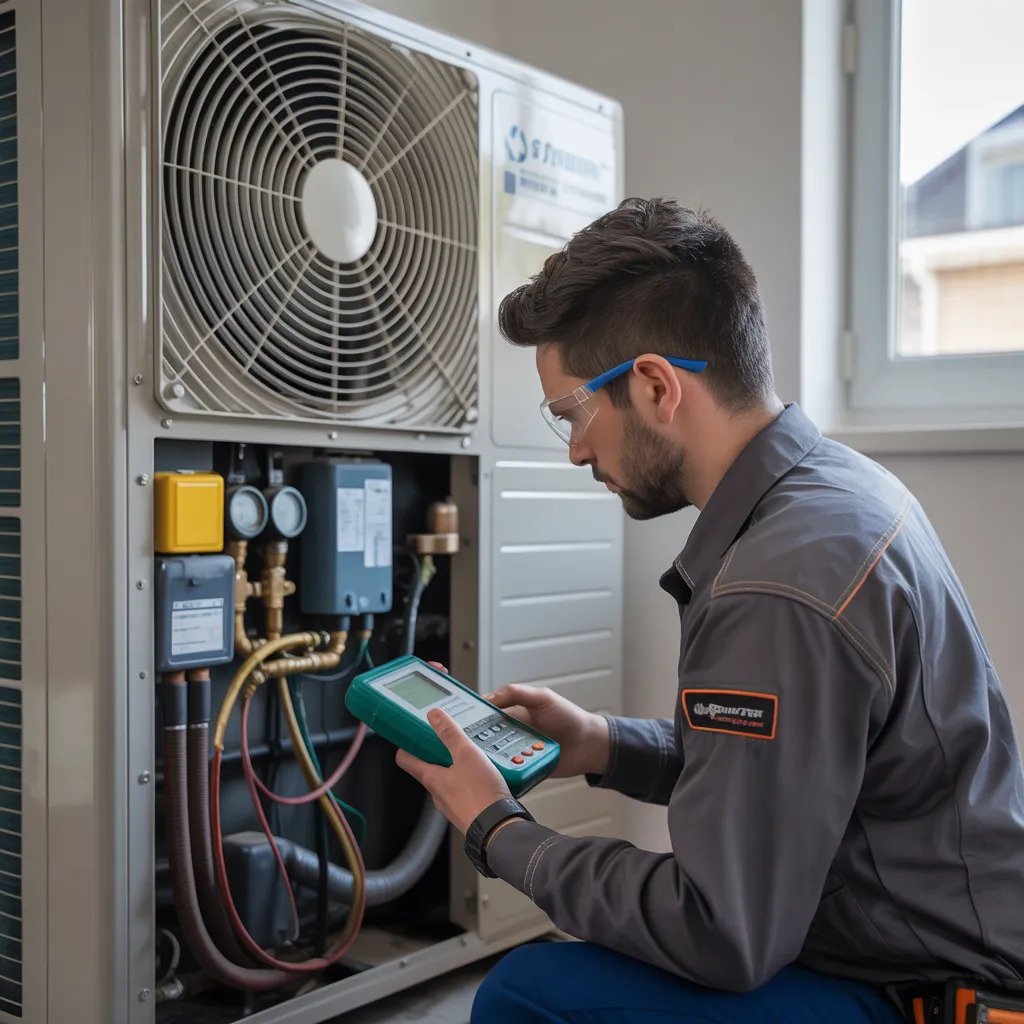
Exploring the Fundamental Aspects of HVAC Systems
HVAC systems, an vital part of modern buildings, regulate indoor temperature and air quality. These systems are made up of heating, ventilation, and air conditioning components that function jointly to maintain pleasant indoor environments year-round. Heating elements, such as furnaces or heat pumps, generate warmth during colder months, while air conditioning units cool spaces during hot weather.
Ventilation is critical for maintaining adequate ventilation and reducing interior contaminants, typically achieved through mechanical or natural methods. Additionally, HVAC systems may be fitted with smart technology and advanced controls to enhance efficiency and comfort. Regular upkeep is necessary for optimal performance and durability, helping prevent breakdowns and ensuring energy efficiency. Learning about the basic components and functions of HVAC systems permits property owners to make informed decisions about their upkeep and installation, fostering a healthier and more comfortable living environment.
Standard HVAC Problems and How to Recognize Them
Consistent operation of HVAC systems can sometimes be interrupted by different problems that may occur over time. Typical issues include insufficient temperature control, which may suggest a faulty thermostat or clogged air filters. Strange sounds, such as banging or rattling, can indicate loose components or a failing motor. Additionally, a persistent odor—especially a burnt scent—could suggest electrical issues or overheating.
Another concern is accumulated moisture, which may bring about mold growth and points to drainage problems. If energy bills spike abruptly, this may point to system inefficiencies, often due to ductwork leaks or insufficient insulation. Finally, constant cycling can signify an inappropriately large system or thermostat issues. Recognizing these warning signs early can help homeowners address problems promptly, providing an efficient and comfortable living environment in their living spaces.
What Key Details Ought to You Think About When Deciding On an HVAC System?
When choosing an HVAC system, two critical factors play a role: system size and energy efficiency ratings. Proper sizing ensures peak performance and comfort, while energy efficiency ratings shape long-term operational costs. Understanding these elements can lead to improved decision-making for both residential and commercial applications.
Size of Your System Is Critical
Selecting the best HVAC system is important for maintaining comfort and efficiency in any home or building. One of the main factors to consider is the size of the system, since an improperly sized unit may cause multiple problems. A system that is too small may have difficulty maintaining required temperatures, resulting in increased energy use and wear and tear. Conversely, an oversized system might turn on and off repeatedly, causing poor efficiency and possible humidity issues. To choose the right size, homeowners should assess the space's square footage, insulation quality, and local climate. Consulting an licensed HVAC specialist can provide helpful insights and guarantee the system selected meets the exact heating and cooling needs of the environment, thereby enhancing overall comfort and performance.
Energy Efficiency Ratings
Energy efficiency ratings represent a vital element in the decision-making process for HVAC systems. These ratings, such as SEER (Seasonal Energy Efficiency Ratio) for cooling and AFUE (Annual Fuel Utilization Efficiency) for heating, show how proficiently a system translates energy into heating or cooling. Elevated ratings commonly suggest lower energy consumption and reduced utility bills, assisting both the environment and the homeowner's budget. When selecting an HVAC system, prospective customers should evaluate these ratings paired with their specific climate and usage patterns. Understanding the sustained savings connected to higher efficiency units can bring about more informed decisions. Additionally, local rebates or financial incentives for energy-efficient models may further influence the selection process, making it crucial to examine all available options.
Why Frequent HVAC Maintenance Is Fundamental to Home Livability
Although many property owners ignore it, routine HVAC maintenance is essential for achieving ideal home pleasantness. Routine servicing helps identify and address possible problems before they progress into expensive fixes. A well-maintained HVAC system operates more efficiently, offering steady heating and cooling throughout the home, which enhances a pleasant living environment.
Furthermore, routine upkeep enhances indoor air quality by cleaning or replacing filters, decreasing allergens and pollutants. It also prolongs the life expectancy of the system, reducing the need for premature replacements. Homeowners who commit to regular inspections often encounter fewer breakdowns, providing peace of mind, especially during severe weather.
Furthermore, routine upkeep can lead to energy savings, as an well-functioning unit uses less energy to maintain desired temperatures. Overall, emphasizing the importance of HVAC upkeep is a vital measure in creating a healthy and comfortable home environment while protecting from unexpected expenses.
Practical Methods to Increase HVAC Energy Efficiency
Promoting HVAC energy efficiency is paramount for both budget relief and environmental footprint. Diligent maintenance plays a critical role in maintaining peak system results, while smart thermostats offer advanced control for energy conservation. Taken together, these solutions can dramatically improve overall efficiency in heating and cooling systems.
The value of ongoing maintenance
Regular upkeep is vital in improving HVAC power performance. Routine inspections and servicing guarantee that systems operate at optimal capacity, decreasing energy consumption and costs. Cleaning or replacing filters regularly prevents dust accumulation, which can obstruct airflow and stress the system. Additionally, inspecting and sealing ducts minimizes energy loss, assuring that conditioned air reaches intended spaces efficiently. Technicians can identify potential problems during maintenance visits, tackling them before they develop into expensive repair work or new installations. Furthermore, lubricating moving parts reduces friction, contributing to smoother performance and durability. By prioritizing regular maintenance, homeowners can markedly improve their HVAC systems' efficiency, leading to a comfortable indoor environment and reduced energy bills throughout the year.
Smart Thermostat Advantages
Smart thermostats are designed to boost HVAC energy efficiency by enabling homeowners to customize heating and cooling according to their routines. These devices learn user behaviors, self-adjusting temperature levels to maintain comfort and limit energy waste. Features like mobile app remote access allow users to manage HVAC controls remotely, which boosts energy savings. Additionally, these thermostats often provide comprehensive reports on energy use, assisting homeowners in identifying trends and choosing wisely. Some versions integrate seamlessly with other smart home technology, creating an all-in-one energy control system. By utilizing smart thermostat technology, homeowners can considerably decrease utility payments and help foster a sustainable environment.
The Effect of Smart HVAC Technology on Home Coziness
Intelligent HVAC technology significantly improves home comfort by optimizing climate management and improving air purity. These advanced technologies utilize intelligent temperature controllers, which learn user tastes and adjust heating and cooling automatically, ensuring steady comfort throughout the home. This flexibility reduces energy consumption, leading to lower utility bills.
Furthermore, advanced HVAC systems often feature air quality sensors that track pollutants, humidity levels, and temperature fluctuations. By connecting with air purifiers and ventilation systems, these technologies guarantee that indoor air remains clean and healthy.
Furthermore, remote access features permit homeowners to operate their HVAC systems from mobile devices, enabling adjustments even when away from home. This level of authority enhances comfort and delivers peace of mind. Ultimately, smart HVAC technology not only produces a more enjoyable living environment but also promotes energy efficiency and health, making it a crucial component of modern home comfort solutions.
The Way Expert HVAC Solutions Optimize Your Home Environment
Professional HVAC options greatly boost the overall living quality by delivering ideal system design, installation, and care. Technicians in the sector assess individual home requirements, maximizing system performance for energy efficiency and ease. This bespoke technique helps maintain home climate, improving well-being during severe weather periods.
Moreover, qualified technicians deliver scheduled maintenance, which reduces the likelihood of sudden breakdowns and extends system longevity. Homeowners enjoy cleaner indoor air through effective filtering and air circulation, reducing allergens and enhancing overall health.
Furthermore, modern heating and cooling systems often integrate smart technology, permitting off-site supervision and regulation, which further enhances the client satisfaction.
In the end, the expertise of HVAC professionals transforms a house into a cozy sanctuary, fostering a enjoyable living environment year-round. By stressing both efficiency and comfort, these systems lend considerably to the excellence of home life, making them essential for modern households.
Often Posed Questions
How Often Do I Need to Upgrade My HVAC System?
HVAC systems often require new equipment every 10 to 15 years, reflecting usage and maintenance. Consistent inspections can maximize their longevity, but signs of malfunction or ongoing repairs may reveal it's time for a fresh installation.
What Are the Signs I Must Get a Fresh HVAC System?
Indicators demonstrating the necessity for a new HVAC unit include frequent breakdowns, rising energy bills, inadequate temperature control, unusual noises, and exceeding 15 years of age. Replacement may improve efficiency and boost home comfort markedly.
Can HVAC Systems Help Decrease Indoor Allergens?
HVAC systems can markedly reduce indoor allergens by optimizing air filtration and circulation. Advanced filters trap dust, pollen, and other helpful resource irritants, delivering a cleaner environment and advancing better respiratory health for occupants. Regular maintenance maintains peak performance.
What Is the Normal Lifespan of an HVAC System?
The average lifespan of an HVAC system typically spans from 15 to 25 years, based on factors such as maintenance, usage, and the specific type of system put in place, affecting overall performance and longevity.
How Do I Pick an HVAC Professional?
One should pick an HVAC contractor by investigating qualifications, checking feedback, comparing estimates, confirming coverage, and ensuring proper licensing. Experience and trustworthiness are essential for guaranteeing quality setup and upkeep of HVAC systems.